18 October 2026
Mold Removal Groveland and Florida Licensing: Questions to Ask About Mold Assessor and Remediator Credentials
Presented by @airwatch546
When people in Groveland start searching for help with a mold problem, they are usually not doing it on a calm Tuesday with plenty of time to compare notes. It often starts with a stain spreading under a vent, a musty smell that keeps coming back, or damp drywall after a storm. In Lake County, that pattern is familiar. Humid summers, heavy rain, and hurricane season create the kind of moisture conditions that let mold settle in and stay put if the source is not corrected.
That is why licensing matters more than many homeowners realize. If you are hiring someone for mold removal Groveland services, you are not just paying for labor. You are trusting that person to identify what is causing the problem, decide what needs to be cleaned or removed, and work in a way that does not ignore bigger hazards tied to water, contamination, or older building materials. A polished truck and a fast estimate do not tell you that. The right questions do.
Florida health guidance is clear on a few points that should shape how you hire. Mold grows when moisture is present. Common sources include roof leaks, plumbing leaks, condensation, flooding, poor bathroom or kitchen ventilation, and HVAC or drain-pan problems. If mold is visible or keeps returning, the moisture source still needs to be fixed. And if a central AC system is being used to lower indoor humidity below 60 percent, the system should be examined for problems. Those facts sound simple, but they cut through a lot of marketing language. Any serious mold professional should be able to talk plainly about moisture first, cleanup second.
The two roles people often confuse
Homeowners regularly use the word “mold company” as if it covers one job. In practice, people often talk about two different functions, assessment and remediation. The exact details of what each professional is allowed or required to do should be confirmed through Florida’s licensing system, but the broad distinction is still useful when you are screening companies.
A mold assessor is focused on evaluating the problem. A mold remediator is focused on performing the cleanup or removal work. Florida’s Department of Health says mold assessor and mold remediator licensure is handled by the Florida Department of Business and Professional Regulation. That means Lake County restoration help licensing is not a casual, optional badge. It is part of the state framework.
This matters because homeowners under stress often skip straight to, “How much to tear this out?” A better first question is, “Who is evaluating the extent of the problem, and what are their credentials?” If the mold keeps coming back after a cleanup, it is usually because the moisture issue was never fully addressed. That can happen when a contractor treats mold as a stain-removal problem instead of a building-moisture problem.
I have seen this play out in buildings where the smell was strongest near an exterior wall, but the true cause turned out to be a roof leak that only showed itself after heavy rain. I have also seen homeowners blame the bathroom ceiling when the bigger issue was poor ventilation combined with high indoor humidity. The visible mold was only the symptom.
Why Groveland homes need careful screening
Groveland sits in the middle of the same Central Florida conditions that challenge homes year after year. Moisture has many entry points here. Wind-driven rain can exploit weak flashing. Storm season can push water where it usually never reaches. AC systems run hard for long stretches. Condensation issues can hide in closets, around supply boots, and near drain pans. If a home has been through hurricane damage restoration Florida work or repeated water damage cleanup Central Florida events, the odds of layered problems go up.
That is one reason homeowners should be cautious about companies that treat every mold call the same way. A minor patch around a window is different from contamination after a flood. Sewage cleanup is a different category of health concern than a simple humidity problem. Fire and smoke damage cleanup can also complicate matters if a property has had more than one type of loss in a short period. The point is not that every house is a disaster. The point is that the person you hire should know how to recognize when the job has crossed into another risk category.
After floods and storm events, federal guidance stresses safety first, including utilities and contamination risks. Flooded homes can contain both mold and sewage. Food exposed to flood or storm water should be thrown away. Generators also require caution because of fire and carbon monoxide risks. A contractor who works in emergency restoration services should be able to speak clearly about those realities, not just promise to “dry it out.”
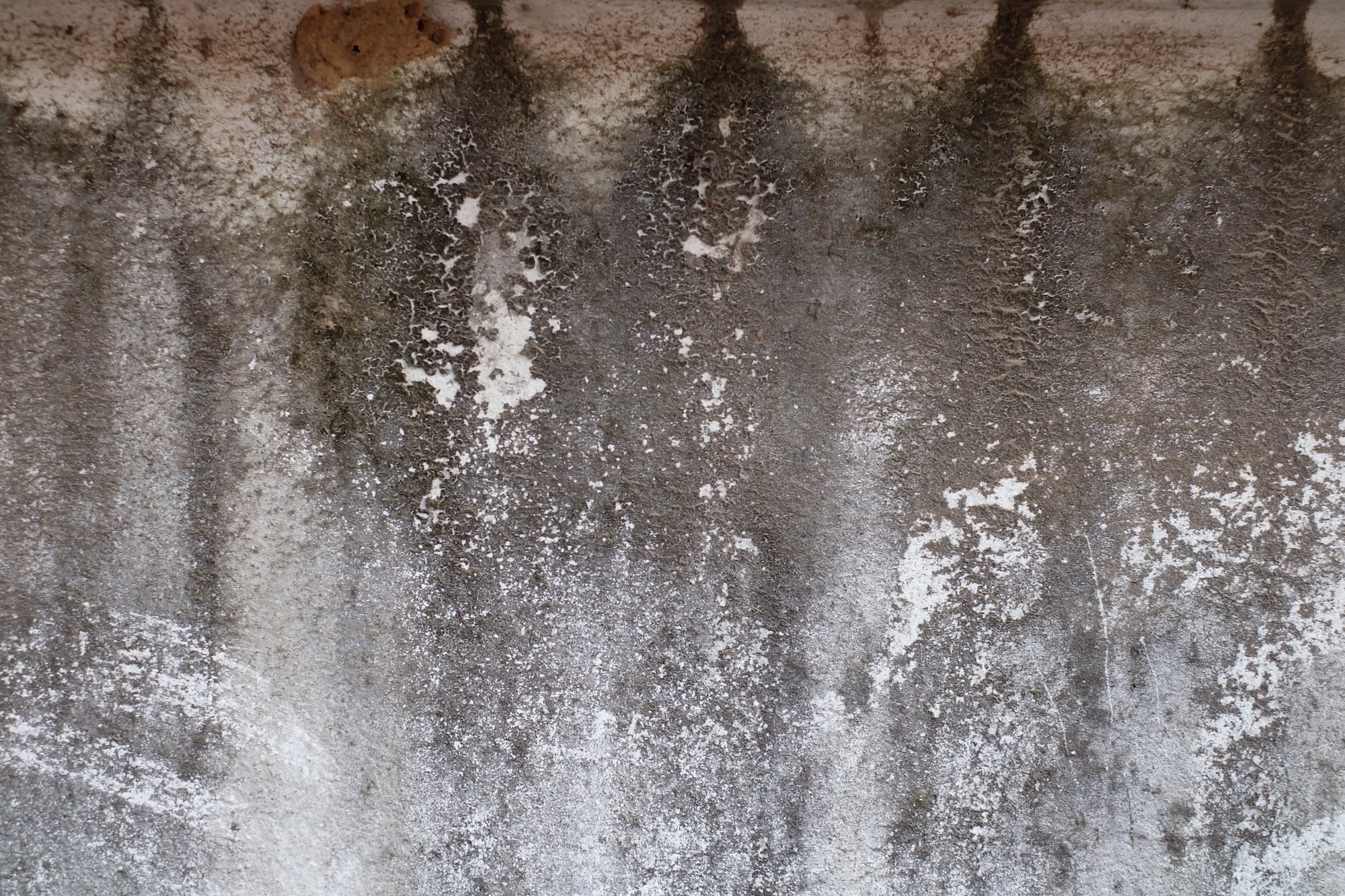
Start with the license, but do not stop there
A Florida license is a baseline, not the whole story. It tells you the person is operating inside the state’s regulated framework. It does not automatically tell you whether they communicate well, whether they understand HVAC moisture issues, or whether they are paying attention to older-material hazards during demolition.
Still, it is the first thing to check. Ask for the exact license type, the full legal name attached to it, and confirmation that it is active. If you are speaking with a remediation company Lake County residents often call for water, storm, or mold issues, do not assume that a general restoration background automatically answers the mold licensing question. Ask directly.
Here are five useful questions that separate serious professionals from people who hope you will not ask much:
- Are you licensed in Florida as a mold assessor or mold remediator, and can you give me the exact name and license details I can verify?
- What do you believe is the moisture source in this building, and how will that be confirmed?
- If my central AC is being used to keep humidity down, will you examine the system for possible problems related to moisture or the drain pan?
- Will your scope of work address the moisture cause as well as the visible mold, or do I need a separate repair plan for leaks, ventilation, or drainage issues?
- If demolition or renovation is needed, how will you evaluate whether older materials require extra caution because of asbestos or lead concerns?
That last question gets missed all the time, especially in older homes. EPA guidance warns that homes built before 1978 may contain lead-based paint, and renovation, repair, or painting can disturb hazardous materials. EPA asbestos guidance also makes clear that demolition or renovation work involving asbestos-containing materials must be handled under applicable rules. If a contractor is proposing to cut, remove, or disturb older wallboard, ceiling materials, flooring, or pipe insulation, that is not a side issue. In some Lake County homes, Groveland FL asbestos testing may need to be part of the conversation before walls start coming open. In a larger project, asbestos abatement Lake County requirements may become relevant before the mold work can safely move forward.
What good answers sound like
You do not need the contractor to give you a lecture. You do want answers that show judgment.
A credible mold professional usually talks about moisture with specificity. They might mention a roof leak, plumbing leak, condensation, poor bathroom exhaust, kitchen ventilation, flooding history, or an HVAC drain-pan problem as a likely source. They should not act as if wiping the visible area is the whole fix if the building is still wet.
They should also be comfortable saying when they do not yet know the full extent. That is often a sign of honesty. The wrong answer to almost every mold question is false certainty after a two-minute walk-through.
If your home has had water intrusion after a storm, a thoughtful contractor should ask about timing, where the water entered, whether materials remained wet, and whether there were prior claims or repairs. If the home smells musty only when the AC runs, they should at least be willing to discuss whether HVAC mold remediation issues need to be explored. Florida health guidance specifically notes that if central AC is being used to lower humidity below 60 percent, the system should be examined for problems. That does not mean every mold problem starts in the ducts. It does mean the HVAC system should not be ignored just because the drywall stain is in another room.
I would also pay attention to how they talk about recurring mold. Florida health guidance says visible mold or recurring mold usually means the underlying moisture source still needs to be fixed. A contractor who downplays that is fighting basic building science. Mold that reappears after “treatment” is often a sign that the leak, humidity condition, or ventilation issue was left behind.
Insurance, storm losses, and the paperwork side nobody loves
Homeowners tend to focus on the physical damage first, which is understandable. But after a storm, flood, smoke event, or fire, documentation matters. FEMA recovery guidance advises homeowners to document damage and coordinate with their insurer during cleanup and repairs. The National Association of Insurance Commissioners also reminds consumers that a homeowners policy is a legal contract, and people should ask questions, understand coverage, and keep an inventory to help with claims.
That affects how you hire for mold and related restoration work. If the mold issue traces back to a storm event or another covered loss, your contractor should not discourage documentation. Good records make life easier later. Photos, dates, notes about when the leak started, and records of emergency drying or temporary measures can all matter. So can a clear written scope for odor removal, smoke cleanup, or demolition if the home has more than one type of damage.
I have seen claims get more confusing when homeowners call one company for water extraction, another for tear-out, and a third for mold cleanup, with nobody describing the sequence clearly. Sometimes that is unavoidable. Sometimes it creates a paperwork tangle that could have been reduced by asking better questions on day one.
When mold is only part of the job
In the real world, property damage tends to overlap. A house may need mold cleanup after a roof leak, but the same house may also have smoke odor from a small electrical fire months earlier, or contamination after a toilet backup. A contractor who advertises fire and smoke damage cleanup, sewage cleanup, odor removal, and emergency restoration services may be exactly the right call, but only if they stay in their lane and explain what kind of problem they are actually addressing.
Sewage is a good example. CDC guidance says sewage backups can create health hazards, and cleanup should use protective precautions with affected areas isolated during cleanup. That is not the same risk profile as a humidity-driven closet mold issue. If the company uses the same casual script for both, that is a concern. The better firms distinguish between ordinary moisture damage and contamination events.
The same caution applies after fire. The U.S. Fire Administration says the first 24 hours after a home fire are important for safety checks, salvaging what is safe, and starting insurance and recovery steps. If water used to put out the fire sits in materials, mold may follow. But the proper sequence still starts with safety and stabilization, not a rushed sales pitch for demolition.
A few red flags worth taking seriously
Most bad experiences do not begin with obvious fraud. They begin with haste, vagueness, or a contractor who wants to flatten a complicated problem into one easy service. Watch for these warning signs:
- They will not clearly identify whether they are acting as a mold assessor, a mold remediator, or something else.
- They focus only on killing or removing visible mold and cannot explain the likely moisture source.
- They dismiss HVAC questions even when the AC is being relied on to control indoor humidity.
- They propose tearing into older materials without discussing possible lead or asbestos concerns.
- They push immediate work after flooding or storm damage without talking about safety, contamination, documentation, or insurance coordination.
None of those points automatically means the company is unqualified. Together, though, they often signal a contractor who is moving too fast for the conditions.
The older home question deserves a direct conversation
Groveland has properties of different ages, and age changes the risk picture. When mold removal means opening walls, sanding, cutting, or demolishing finishes, older materials can introduce a second layer of concern. That is where homeowners should slow down and ask whether testing or specialized handling is needed before demolition starts.
This is especially relevant if someone is planning both repair and remodel work at the same time. A wet bathroom wall may begin as a mold call and turn into a renovation project. Once that happens, disturbing old paint or suspect materials is no longer theoretical. It is part of the job. If the home is older, asking about Groveland FL asbestos testing or how asbestos abatement Lake County rules may apply is not overreacting. It is sensible risk management.
The same goes for lead-based paint in pre-1978 homes. If a contractor shrugs that off because “we’re only taking out a little drywall,” that is not reassuring. Small disturbance can still be disturbance.
What to expect from a careful contractor
The best contractors do not make a stressful situation feel more dramatic than it already is. They narrow it down. They explain what they know, what they still need to verify, and what has to happen first.
In a straightforward case, that may mean confirming the moisture source, recommending repairs, discussing whether cleanup or removal is needed, and evaluating whether the HVAC system or ventilation habits are contributing. In a more complex case, it may mean coordinating around storm damage, contamination concerns, or older-material hazards before the work plan is finalized.
A homeowner once told me the biggest relief was not hearing that the job would be cheap or fast. It was hearing someone say, calmly, “We need to figure out why this stays wet.” That is the heart of good mold work. Not the fogging machine. Not the sales brochure. The cause.
Choosing with confidence in Lake County
If you are comparing companies right now, keep your standards simple and firm. Confirm the Florida license through the state framework. Ask who is assessing and who is remediating. Press for a clear explanation of the moisture source. Bring up HVAC if humidity control depends on central AC. Mention older materials if demolition is likely. Document damage and keep your insurer in the loop when storm, flood, smoke, or fire losses are part of the picture.
The right remediation company Lake County homeowners trust is usually not the one with the flashiest promise. It is the one that respects the sequence: safety, moisture diagnosis, clear scope, proper cleanup, and caution around any related hazards. In Groveland, where heat, humidity, storms, and aging building materials can all intersect, that approach is not just professional. It is practical.